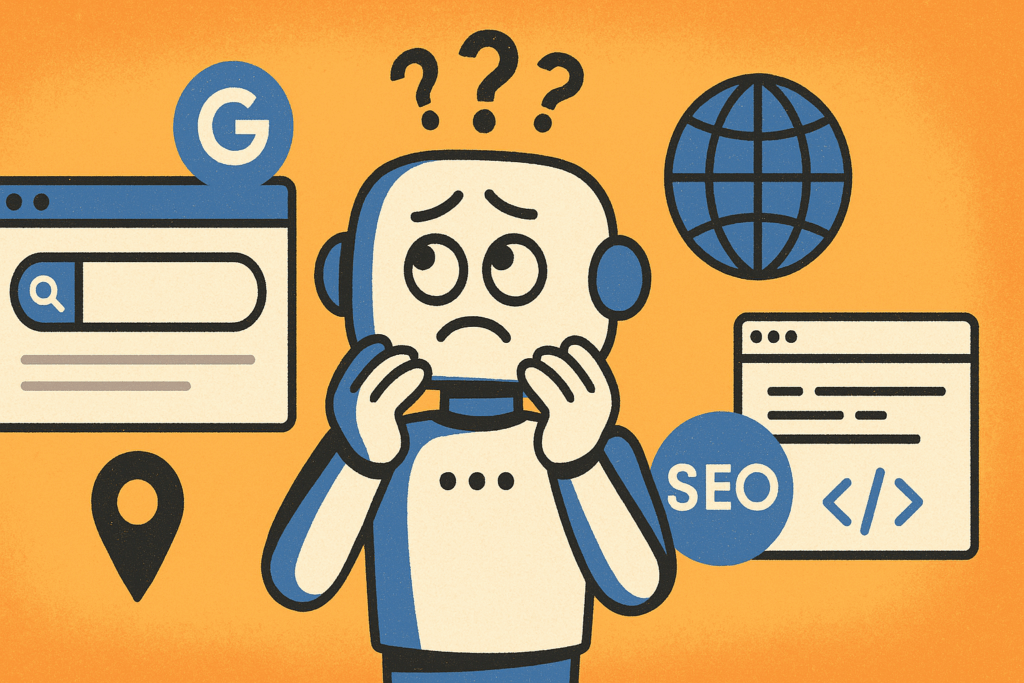
As a Digital Marketing Specialist, I always scan the landscape to see what’s actually shifting, and not just trends for trend’s sake, but real behavioral changes in how people find, consume, and trust content. What I’ve learned is that SEO isn’t just evolving, it’s mutating into Answer Engine Optimization (AEO) and Generative Engine Optimization (GEO).
If you only optimize for blue-link rankings, you’re behind. Let me explain why.
What Is Answer Engine Optimization (AEO)?
AEO is the process of structuring content so it can be easily understood and retrieved by AI-driven answer engines like Google’s AI Overviews, ChatGPT, and Perplexity. These engines don’t show links, they show answers. If your content can’t be parsed, quoted, or summarized accurately, you’re invisible.
The Rise of AI-First Search (And Why Clicks Are Dying)
Google has rolled out AI Overviews—answers generated directly on the results page. That means users will get the info they need without the need to click through to your site. Some data suggests click-through rates on affected searches are dropping by 20–60%!
This is devastating, especially if your content isn’t optimized for AEO or GEO.
What’s GEO (Generative Engine Optimization)?
GEO properly structures content so it can be used by generative tools like ChatGPT, Claude, Gemini, and more. These tools pull from hundreds of sources and use content to answer open-ended questions. As a result, your blog, product page, or service description may never be clicked, but it might still be read by an AI and delivered to a user!
Meet E-E-A-T: The Key to Visibility
These advanced SEO models expect your content to follow the E-E-A-T model:
- Experience
- Expertise
- Authority
- Trustworthiness
When your content showcases these four pillars, you don’t just build SEO, you build credibility with your users and the algorithm. Platforms now value:
- author bios
- source citations
- testimonials
- credentials
- case studies
If you’re not including these, your content is falling behind!
People Are Skipping Search Engines Entirely
Users are going straight to ChatGPT, TikTok, Reddit, or YouTube for answers. That tells me one thing: We’re no longer just optimize for pages, we should optimize for instant clarity!
So what do you do about it?
1. Write for People and the Machines
GEO and AEO aren’t buzzwords. They’re your new reality. Use:
- clear headers
- Q&A formatting
- schema markup
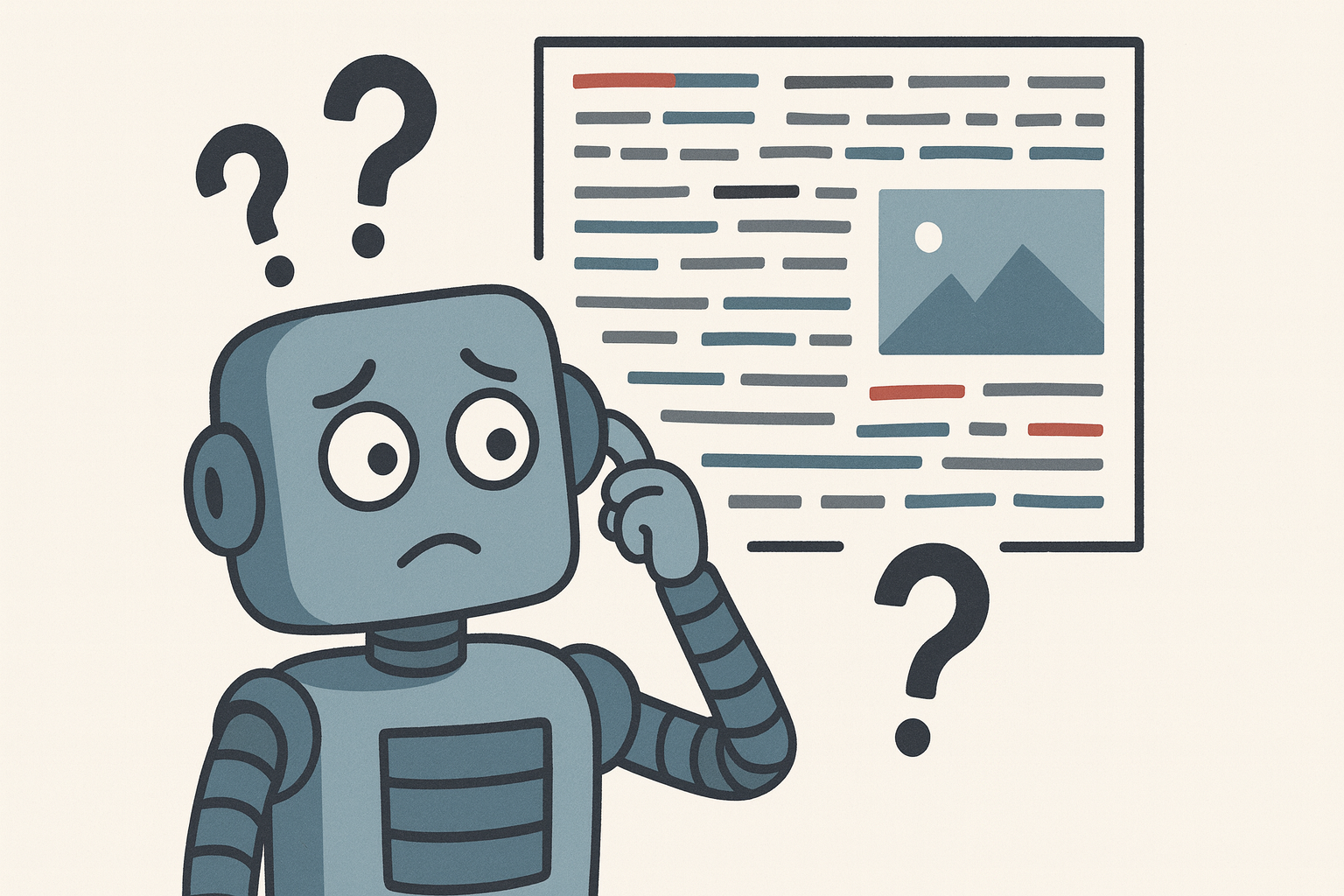
Write in a way that allows both humans and AI to extract value.
2. Track Visibility Beyond the Click
You may not get a visit to your site—but if an AI model quotes you, that’s still a win. Ask yourself:
- did we become part of the answer?
- are we showing up in AI overviews?
- are we contributing to the conversation?
This impression value is critical moving forward.
3. Optimize for Trust
AI is filtering for credibility, not just keyword matches. That means:
- author bios matter.
- sources matter.
- transparent business info matters.
If your content feels anonymous or salesy, expect it to be ignored.
The Mindset Shift
Good SEO used to be about chasing rankings. Now? It’s about being reference-worthy. You’re not just competing with other sites—you’re competing to be trusted by AI engines and real people alike. That means:
- sharper copy
- cleaner structure
- more authenticity
Final Thought: Your Next Move
Audit your latest blog or landing page and ask:
- can an AI extract a clear answer from this?
- does this content feel credible and trustworthy?
- would a real person walk away with clarity or confusion?
If not, it’s time to tighten it up. SEO isn’t dead. It’s just risen from the ashes—armed with AI. In a world of infinite content, being a trustworthy point of reference is the new ranking.